
PryBeauty - Premium Hair Care & Beauty Solutions


Type: Shampoo
L'OREAL PROFESSIONNEL PARIS Xtenso Care Sulfate-Free* Shampoo 250 Ml, For All Hair Types


Type: Shampoo
Streax Professional Canvoline Shampoo 300ml, (For Straightening Hair)


Type: Shampoo
L'Oreal Professionnel Serie Expert Inforcer Strengthening Shampoo with Vitamin B6 & Biotin (300ml)


Type: Shampoo
L'Oreal Professionnel Liss Unlimited Shampoo Serie Expert (300ml)


Type: Shampoo
L'Oreal Professionnel Serie Expert Vitamino Shampoo (300ml)


Type: Shampoo
L'OREAL PROFESSIONNEL PARIS Absolut Repair Shampoo 300ML


Type: Shampoo
L'Oreal Professionnel Serie Expert Silver Shampoo (300ml)


Type: Shampoo
Matrix Opti.Care Professional Shampoo for Frizzy Hair with Shea Butter, Upto 4 Days Frizz Control


Type: Face Toner
Dot & Key Cica + Niacinamide Green Tea Toner


Type: Face Toner
Dot & Key Watermelon + Glycolic Pore Tightening Toner

Type: Face Mask
Lotus Professional Green Tea & Chamomile Soothing Masque - 60g

Type: Scrubs
Lotus Professional Hydravitals Oatmeal Active Scrub Cream – 260g

Type: Face Care
Lotus Professional Puravitals Lemongrass Ultimate Refreshing Toner - 250ml


Type: Face Toner
Dot & Key Blueberry Hydrate Milk Face Toner


Type: Face Toner
Dot & Key Blueberry Hydrate Rice Water Toner


Type: Face Mask
Dot & Key Mango Detan Clay Mask
Tools & Equipment for Professional Grooming


Type: Clipper
AY.TY PRO Professional Hair Clipper - Clip X Pro


Type:
Ay.ty Pro Professional Hair Clipper - Clip X With One Set Of Blade FREE


Type:
AY.TY PRO Professional Trim X Pro Trimmer With One Set Of Blade and Stand FREE


Type:
Torlen Professional 179 Hot And Cold Blow Hair Dryer | 2000 Watts Ceramic | Hair Drying Machine For Men and Women | Black Color


Type: Trimmer
Wahl Professionnel Clipper Super Taper Corded


Type:
HNK FAB 2800W White Hair Dryer with Removable Metal Filter - Professional Salon-Quality Styling Tool for Fast Drying


Type: Trimmer
HNK Glynt Pro Trimmer


Type: dryer
HNK Hair dryer Hippie 2400W With 2 Nozzle 2 Speed Setting Hair styler


Type: Hair Straightener
Hnk Hair N Kraft Ez Hair Straightener Black Ceramic Coated Plate
Natural care. Everyday confidence
Discover self-care products that truly work — from nourishing shampoos and restorative hair care to deeply hydrating hair masks.
Feel the beauty, feel the difference with PryBeauty.
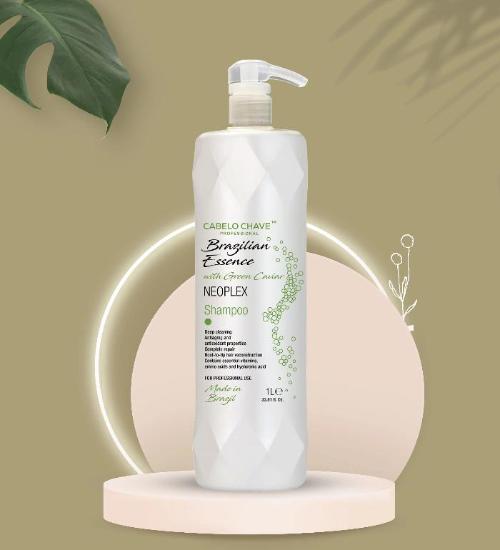


Color with Confidence
Express yourself with our extensive range of professional hair colors. Whether you’re looking for the rich depth of Majirel or the vibrant hues of Streax, discover long-lasting, ammonia-free options that deliver brilliant shine and perfect coverage every time.

Level up Hairecare routine with the bundle


Explore Our Hair Color Collection
Find the perfect shade with L'Oréal's range of professional hair color products. Known for their vibrant results and long-lasting formulas.
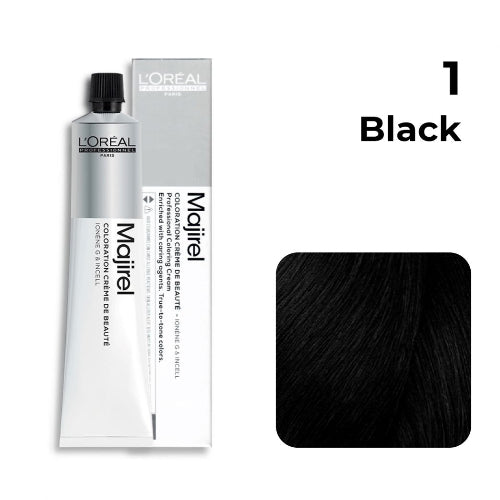

L'oreal Professionnel Paris Majirel 1 - (Black)
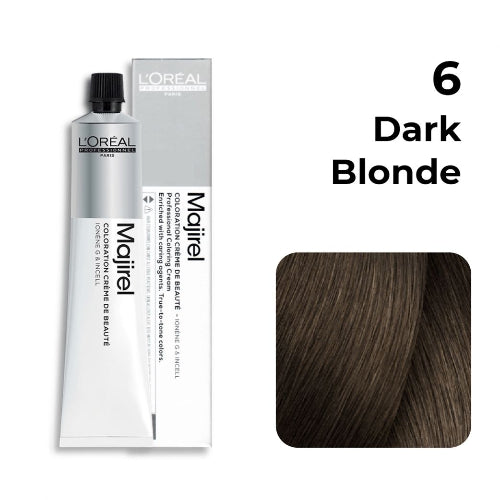

L'oreal Professionnel Paris Majirel - 6 (Dark Blonde)
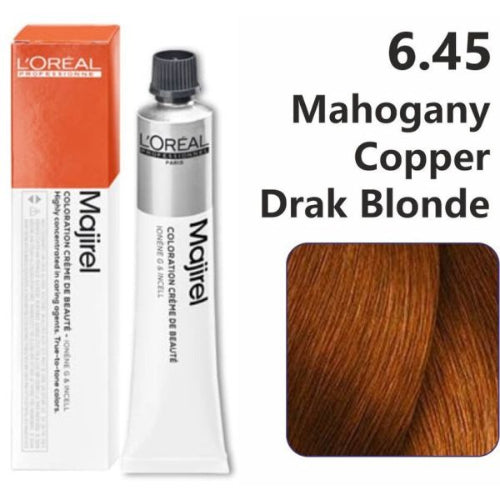

L'oreal Professionnel Paris Majirel - 6.45 (Mahogany Copper Drak Blonde)
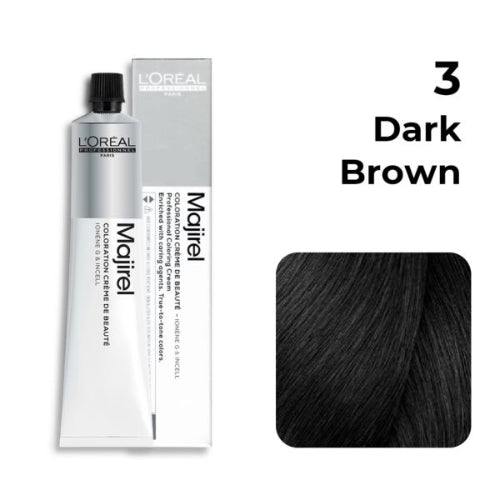

L'oreal Professionnel Paris Majirel 3 - (Dark Brown)
Explore Schwarzkopf's professional hair color lines, offering innovative technologies for brilliant, multi-dimensional color and superior hair health
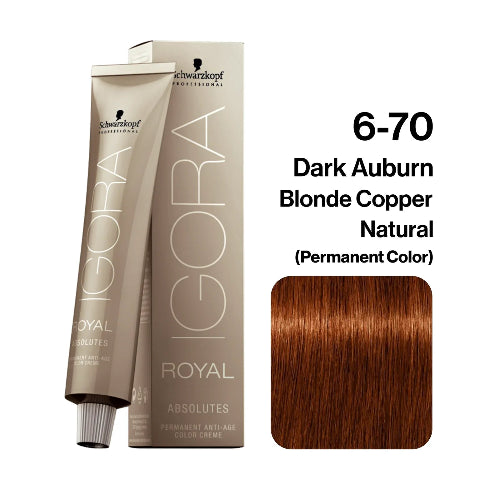

Schwarzkopf Igora Royal Absolutes Hair Color, 6-70 Dark Auburn Blonde Copper Natural 60ml
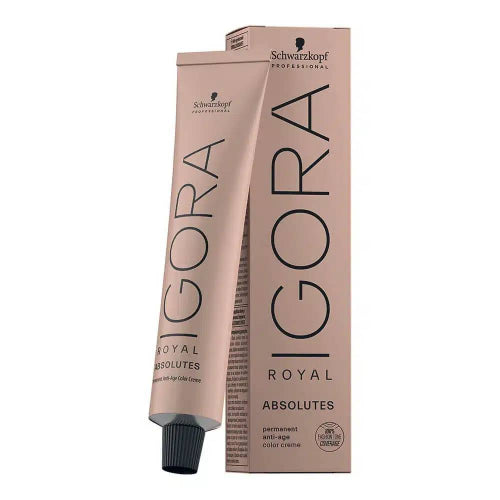

Schwarzkopf Igora Royal Absolutes Permanent Anti-Age Color Creme 5-60 Light Brown Chocolate Natural – 60 ml
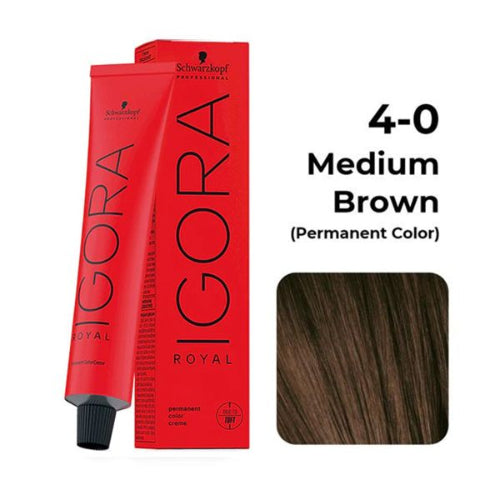

Schwarzkopf Igora Royal Permanent Hair Color 4-0 Medium Brown Natural 60ml
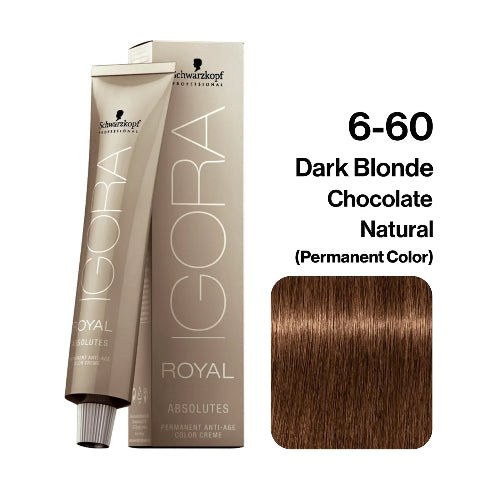

Schwarzkopf Igora Royal Absolutes Hair Color (6-60 Dark Blonde Chocolate) Natural 60ml
Discover Matrix's extensive collection of hair colors, designed for professional stylists to create custom, stunning looks with incredible shine and condition.
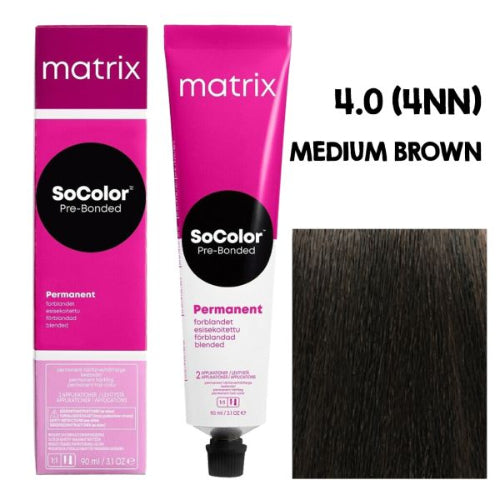

Matrix SOCOLOR 4.0 4NN (Medium Brown)
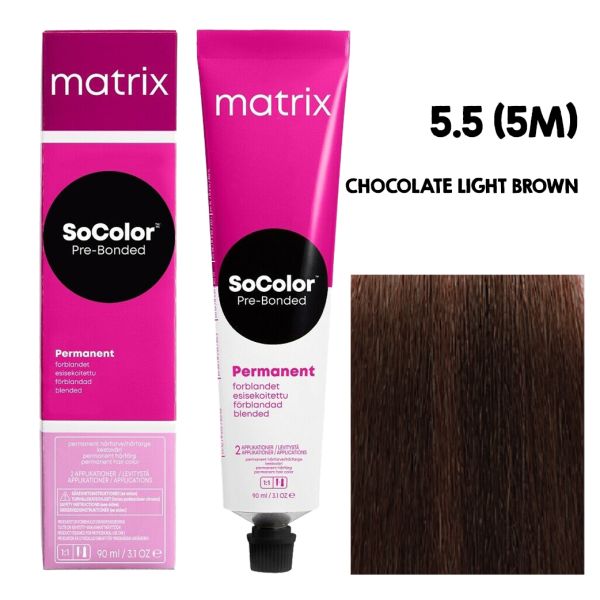
Matrix SoColor Permanent Hair Color Cream 5.5 Chocolates 90ml
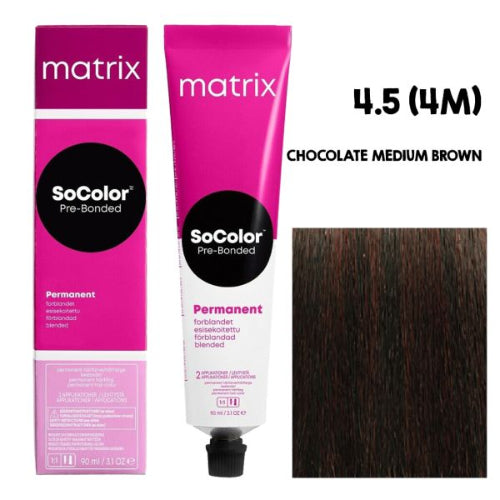

Matrix SOCOLOR 4.5 4M (Chocolate Medium Brown)
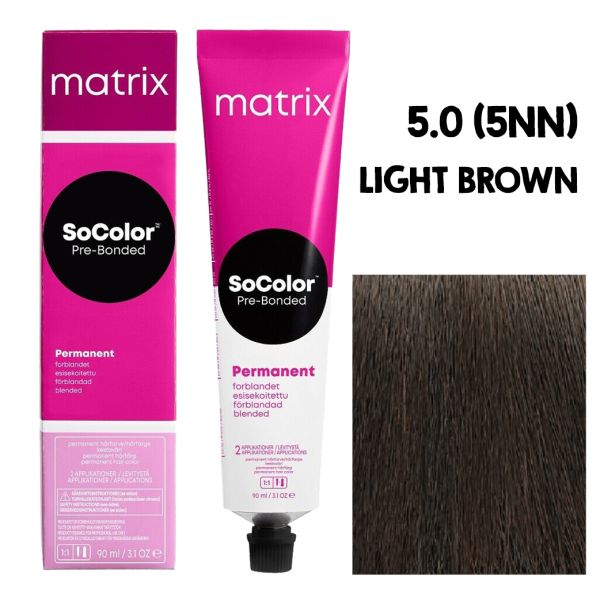
MATRIX SOCOLOR 5.0 LIGHT BROWN
Discover Streax Professional, a leading expert in hair coloring that offers high-quality, long-lasting color tailored for brilliant results.
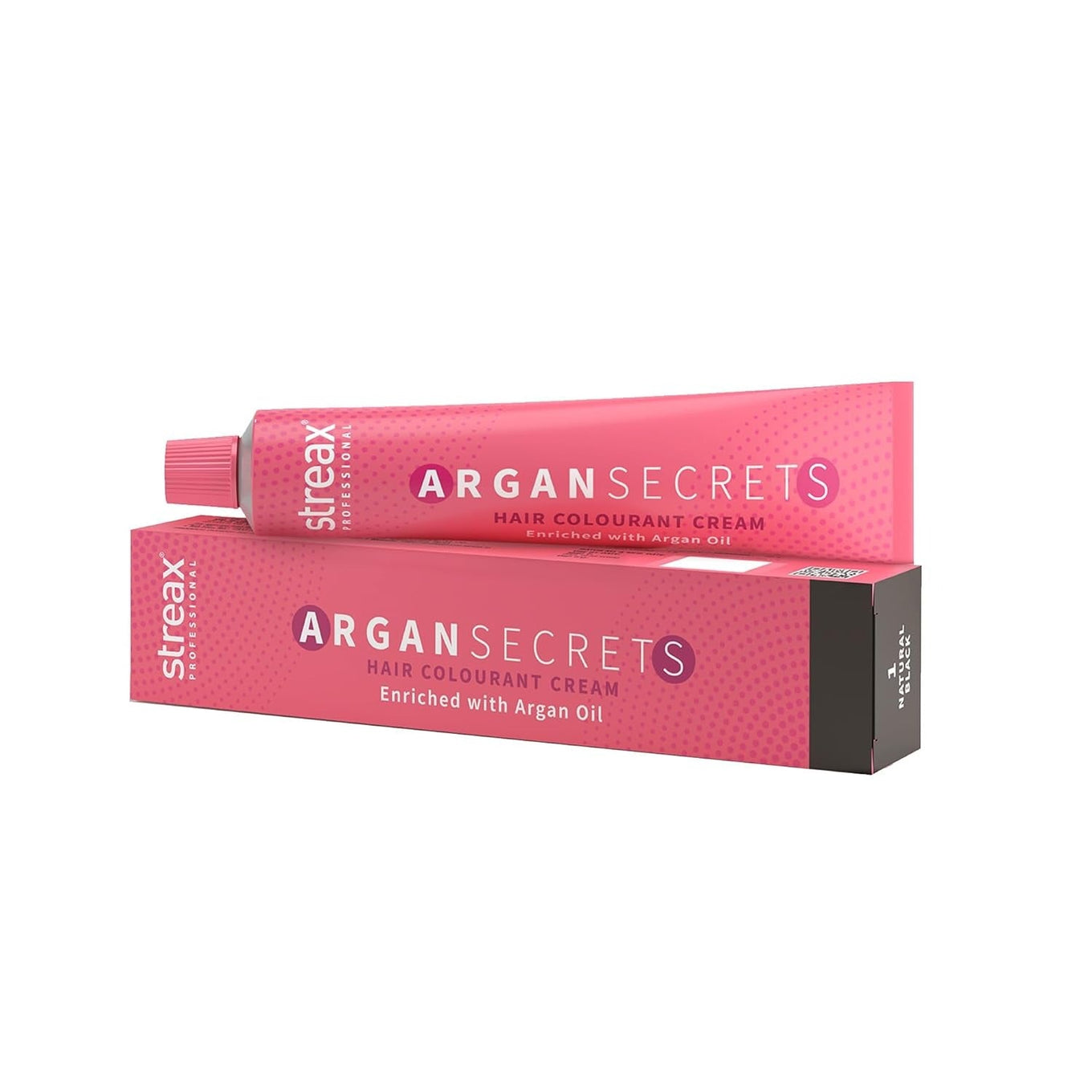

Streax Professional Argan Secrets Permanent Hair Colourant Cream - Natural Black 1 (Enriched with Argan Oil) 60 gm
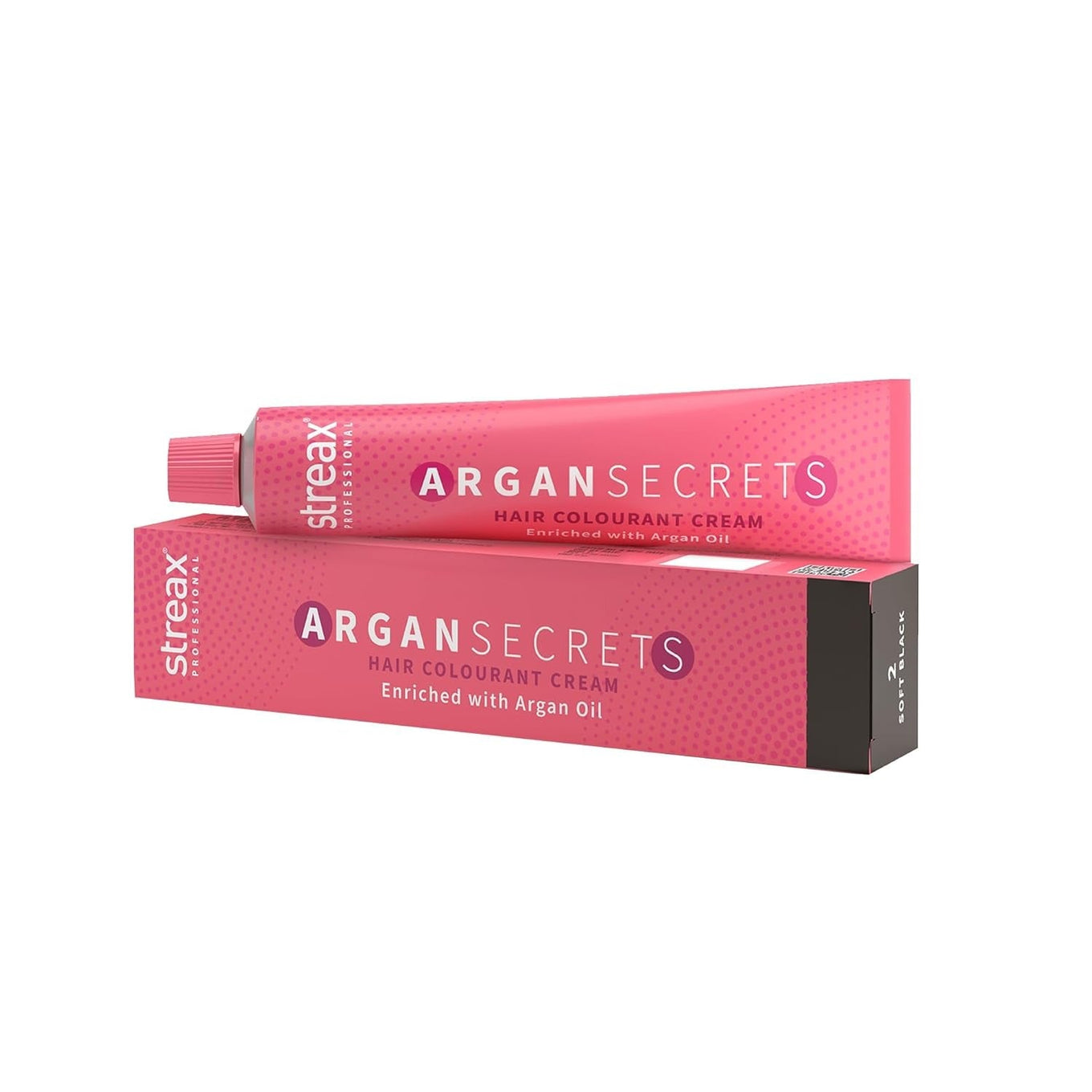

Streax Professional Argan Secrets Permanent Hair Colourant Cream - Soft Black 2 (Enriched with Argan Oil) 60 gm
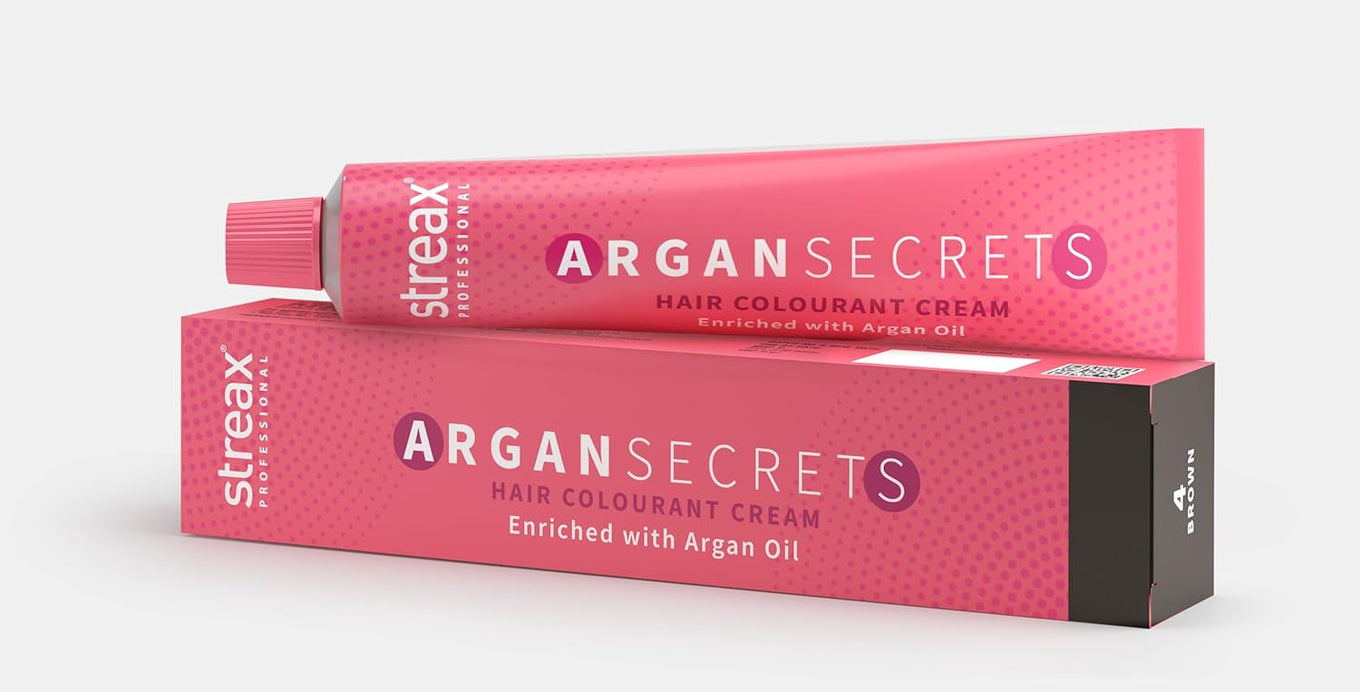

Streax Professional Argan Secrets Hair Colourant Cream - Dark Brown 3 (60gm)
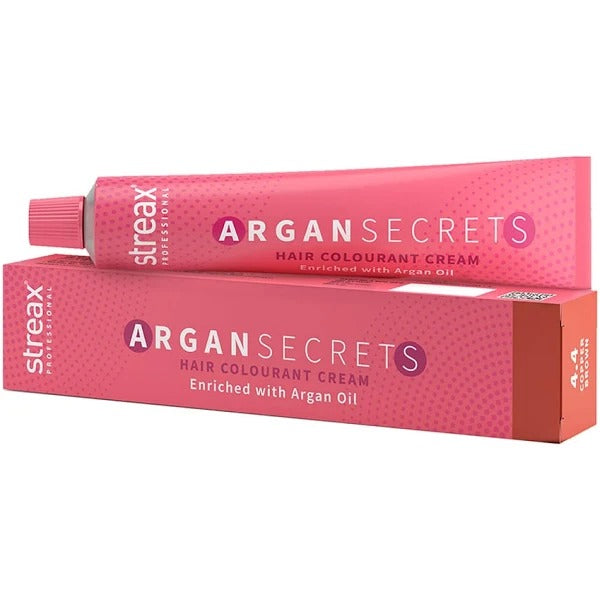

Streax Professional Argan Secrets Hair Colourant Cream - Copper Brown 4.4 (60gm)
Blog posts

Ice on Your Face: Benefits, How-To, Risks & Dermatologist-Backed Tips
Applying ice on your face—also known in the aesthetic world as localized Cryotherapy or "skin icing"—has exploded in popularity across social media. From reducing morning puffiness to calming active acne flare-ups, cold therapy offers immediate, visible benefits when executed correctly. However, running a raw ice cube over your face is not without risks. At PryBeauty, we believe in bridging the gap between trending hacks and dermatological safety. This expert guide breaks down the clinical science behind facial icing, the correct professional techniques, and how to safely integrate it into your existing skincare routine. The Clinical Science: How Cryotherapy Works Ice impacts your skin's physiology in three major ways: 1. Vasoconstriction Cold exposure causes blood vessels to rapidly constrict, forcing excess fluids out of the facial tissues. Reduces under-eye bags Minimizes morning puffiness 2. Numbing & Anti-Inflammatory Sub-zero temperatures temporarily reduce nerve activity and slow down the inflammatory cascade. Calms cystic acne swelling Soothes heat-induced redness 3. Rebound Microcirculation Once the ice is removed, vessels dilate, flooding the skin with fresh, oxygenated blood. Creates a "Glass Skin" glow Improves serum absorption Professional Benefits vs. Skincare Myths Myth: "Ice shrinks pores permanently." Fact: Pores are not muscles; they cannot open or close. Cold therapy causes the skin around the pore to constrict, making pores appear temporarily smaller and tighter. This makes icing an excellent pre-makeup "primer" step, but it is not a permanent structural fix. Myth: "Ice cures acne." Fact: Ice cannot kill acne-causing bacteria. However, it is an incredible tool for reducing the painful, red inflammation of a cystic breakout. Pair icing with our professional BHA (Salicylic Acid) treatments for actual blemish clearing. ⚠️ Clinical Warning: The Risk of Ice Burns Applying raw ice directly to the epidermis can cause cellular damage, broken capillaries, and frostbite-like "ice burns." Never apply ice directly to the skin. Furthermore, if you suffer from Rosacea, extreme cold can trigger severe flare-ups. Always consult a dermatologist if you have a compromised skin barrier. The Dermatologist-Approved Icing Protocol The Barrier Method: Always wrap your ice cube in a clean, soft cotton cloth or use a professional, silicone-based ice roller. The Glide Technique: Never hold the ice stationary in one spot. Keep it moving in continuous, circular, upward motions to promote lymphatic drainage. The Time Limit: Limit your icing session to 1-2 minutes per quadrant of your face, and no more than 10 minutes total. The Crucial Aftercare: Cryotherapy temporarily disrupts the lipid barrier. Immediately follow up with a hydrating essence or serum to lock in moisture while the skin's microcirculation is at its peak. Shop our Hydrating Serums here. 💡 Professional Upgrade: "Targeted Infusions" Instead of plain water, freeze targeted ingredients to suit your skin type. Use Green Tea cubes for oily/acne-prone skin (rich in EGCG antioxidants), or Chamomile Tea cubes for soothing sensitive skin. Expert FAQs Q: Should I ice before or after my skincare routine? A: Always ice on a clean, bare face before applying your serums. Icing after moisturizing will freeze the product and prevent absorption. Q: Does ice help with dark circles? A: It helps reduce the fluid retention (puffiness) that casts shadows under the eyes, making dark circles look lighter. However, it cannot remove genetic pigmentation. Q: Is it safe to use ice on my face daily? A: Yes, provided your skin barrier is healthy, you use a cloth barrier, and you stick to the 1-2 minute time limit. Maximize Your Results Skin icing is a fantastic preparatory step, but real transformation requires clinical-grade ingredients. Pair your cryotherapy routine with PryBeauty's advanced skincare formulations. SHOP PROFESSIONAL FACE CARE Written by Priya Gupta Priya Gupta is the founder of PryBeauty and an expert in professional hair and skincare solutions. Discover the expertise and story behind these tips on our About Us page.
Learn more
Fenugreek (Methi) for Hair: Benefits, Uses, Side Effects & Expert Tips for Faster Hair Growth
Fenugreek, popularly known as methi, has been a cornerstone of Ayurvedic hair care for centuries. Beyond tradition, modern trichology identifies fenugreek as a "super-herb" for hair regrowth. Packed with high levels of iron and protein, methi seeds provide the essential building blocks for the hair shaft, while its natural mucilage mimics the effects of high-end salon conditioners. Whether you are battling postpartum hair thinning or stubborn dandruff, this expert guide explores how to integrate this powerhouse into your routine. The Science: Why Methi Works Nicotinic Acid (Growth) Lecithin (Strength) Saponins (Antifungal) Hydrolyzed Proteins Iron & Biotin Unlike basic kitchen remedies, the efficacy of fenugreek lies in its Nicotinic Acid content, which improves blood circulation to the follicles, and Lecithin, which acts as a natural emollient to repair the hair cuticle. For those in humid climates like Mumbai, methi's natural antioxidants prevent oxidative stress caused by pollution. Top Professional Methods 1. The Anti-Dandruff Methi & Curd Mask Method: Blend 2 tbsp soaked seeds with 2 tbsp curd. Apply to scalp for 30 minutes. Why it works: The antifungal properties of methi seeds combined with the lactic acid in curd create a sterile environment for the scalp. View our Professional Anti-Dandruff range → 2. The Growth Booster: Methi & Onion Juice Method: Mix methi paste with fresh onion juice. Apply strictly to the roots. Expert Tip: Onion juice provides sulfur, which works synergistically with the protein in Methi to accelerate the anagen (growth) phase of hair. Explore Hair Growth Serums → ⚠️ Safety & E-E-A-T Note: While Methi is natural, it is highly potent. Always perform a patch test behind the ear. If you have a sensitive scalp or Pitta-type skin inflammation, avoid leaving methi paste on for longer than 30 minutes as it can have a cooling effect that may lead to dryness in winter. Written by Priya Gupta Priya Gupta is the founder of PryBeauty and an expert in professional hair and skincare solutions. Discover the expertise and story behind these tips on our About Us page.
Learn more
Rice Water for Skin: Benefits, Science-Backed Uses, and DIY Recipes for Glass Skin
For centuries, the secret to a luminous, poreless complexion—often referred to as "Glass Skin"—has been hiding in a simple kitchen staple: rice. From the imperial courts of the Japanese Heian Period to modern multi-step beauty routines, rice water has been the ultimate elixir for radiant skin. Modern dermatology has finally caught up with tradition, discovering that this starch-rich liquid is a nutritional powerhouse. For those of us navigating urban environments with high humidity and pollution (like Mumbai), rice water acts as a soothing, antioxidant-rich shield. Whether you are looking for an affordable DIY hack or a science-backed glow, this professional guide covers everything you need to know. The Science: The Nutrient Profile Why does rice water work so effectively at a cellular level? It's all in the chemistry. Rice grains contain bioactive compounds that are released into the water during soaking or boiling. Nutrient Professional Skin Benefit Ferulic Acid A high-potency antioxidant that neutralizes free radicals and shields against UV and pollution damage. Inositol A specialized carbohydrate that promotes cell regeneration and improves skin elasticity. Allantoin A rich emollient that soothes inflammation and accelerates the healing of minor irritations. Amino Acids The building blocks of skin protein; they repair the skin barrier and keep it supple. Top Benefits & Professional Application 1. Barrier Repair & Hydration Studies show that the starch in rice water improves skin barrier function, especially for those suffering from irritation caused by harsh weather or chemical cleansers. Explore our Professional Hydrating Face Care range → 2. Brightening & Pigmentation Control Rice water acts as a natural inhibitor of tyrosinase (the enzyme responsible for melanin production), helping to fade dark spots and even out skin tone without harsh bleaching agents. 3. Oil Control & Pore Tightening Its natural astringent properties help "shrink" the appearance of large pores and regulate excess sebum production—perfect for oily or combination skin types. 💡 Professional Usage Guide: Never apply rice water (or any toner) to a dirty face. Always perform a Double Cleanse first. Use an oil-based cleanser to remove sunscreen and sebum, followed by a gentle water-based cleanser. This ensures the Ferulic Acid and Inositol in the rice water can actually penetrate your pores rather than sitting on top of trapped dirt. DIY: 3 Ways to Prepare Rice Water 1. The Soaking Method (Best for Beginners & Sensitive Skin) Process: Rinse ½ cup of uncooked rice. Add 2 cups of water and soak for 30–60 minutes. Strain. Result: A gentle, milky liquid perfect for daily toning. 2. The Boiling Method (Most Concentrated) Process: Cook rice with 3–4 times more water than usual. Strain the excess starchy water once the rice is soft. Result: A potent concentrate that should be diluted with plain water before use. Great for dry skin. 3. The Fermented Method (Anti-Aging Powerhouse) Process: Prepare soaked rice water, but leave it in a jar at room temperature for 24–48 hours until it smells slightly sour. Result: Fermentation lowers the pH and increases the concentration of antioxidants. Don't want the DIY hassle? Shop our ready-to-use professional toners and serums. ⚠️ Safety & E-E-A-T Note: Fresh DIY rice water has no preservatives and must be refrigerated and discarded after 5–7 days to prevent bacterial growth. Additionally, if you have fungal acne (Malassezia folliculitis), avoid fermented rice water, as the natural yeasts created during fermentation can trigger severe breakouts. Always perform a patch test on your jawline first. Expert FAQs Q: Can I leave rice water on my face overnight? A: Yes. Many use it as a "sleeping mask" to let the amino acids repair the skin while they sleep. If you have very dry skin, follow up with a professional moisturizer to seal it in. Q: Does rice water bleach the skin? A: No. It helps "brighten" by inhibiting melanin production and smoothing texture, giving you a natural glow rather than a lighter skin tone. Q: Can I use it on sunburnt skin? A: Absolutely. Its allantoin content and cooling effect make it a fantastic natural remedy for calming UV-induced inflammation. Your Path to Glass Skin SHOP THE FACE CARE COLLECTION Written by Priya Gupta Priya Gupta is the founder of PryBeauty and an expert in professional hair and skincare solutions. Discover the expertise and story behind these tips on our About Us page.
Learn moreShipping
Estimated Delivery: 3–7 business days depending on location
Returns
14-day return policy
Secure Payment
100% secure transactions
Support
Monday – Saturday: 10:00 AM – 7:00 PM (IST)